3 Mistakes in Press Releases That Annoy Journalists
A journalist in a newsroom receives an average of 83 emails every morning before 9:00 AM. Most of these messages end up in the trash in less than 4.2 seconds because authors forget the basic rules of media cooperation. At Odra Media Link, we checked what actually makes a news story land on the front page and what ends up as digital waste.
Water Pouring in the First Paragraph
Most company messages start with boring introductions about the company's history or its mission. A journalist doesn't care because they are looking for substance for their story. If the first 27 words don't contain specific information about what happened, the message will be deleted without reading the rest. A good lead must answer: who, what, where, and when, without unnecessary adjectives and admiration for your own offer. We monitor facts around the clock, so we know that specifics win over poetry.
In March 2024, we analyzed 114 messages sent by local companies in Poznań. Those that had a lead longer than 3 lines of text recorded 42% fewer publications than short, specific dispatches. A journalist doesn't have time to wade through marketing ornaments. They need a ready-made story they can quickly turn into news. Simple rules and a clear media picture are essential so your company stops being ignored by editors looking for topics on short notice.
Instead of writing about an innovative approach, provide hard data. If you are opening a new hall on Półwiejska St., write that it has 450 square meters and you will hire 12 people from the area. This is information that interests local portals. Every word that doesn't carry new information is a waste of space. At Odra Media Link, we cut texts in half, and their effectiveness doubles. Concrete data, zero guesswork – this is the only way to build a relationship with media that value their time.
A journalist has 4.2 seconds to decide. If they don't find specifics in that time, your email vanishes.

Ghost PR Person, i.e., Lack of Contact
Sending a message without a direct phone number to a decision-maker is the simplest path to failure. Journalists often write texts under time pressure, especially before the 3:30 PM deadline. If an editor has a follow-up question and sees only a general office@ address in the footer, they will simply give up on your topic and deal with the competition. In June 2024, one Poznań newsroom abandoned an article about a large investment only because nobody picked up the phone for 22 minutes.
Your phone must be available. It's not enough to give a landline number to the reception that finishes work at 4:00 PM. We act fast because news doesn't wait – this is not just a slogan, it's a real requirement of the media market. The person listed as the contact must know the details of the project and have the authority to provide comments on the spot. The lack of an ability to quickly verify facts makes a press release worthless for news media that value reliability and speed.
It's also worth checking if the provided number is correct. We've seen messages with a wrong digit in a mobile number, which cut off contact at the start. At Odra Media Link, we always test the contact path before sending. If a journalist calls at 6:15 PM, someone must pick up the phone. Good PR is not just about writing; it's primarily about availability. If you can't pick up, call back within 7 minutes. After that time, the topic is usually dead for the newsroom.
Lack of Photos or 15 MB Files
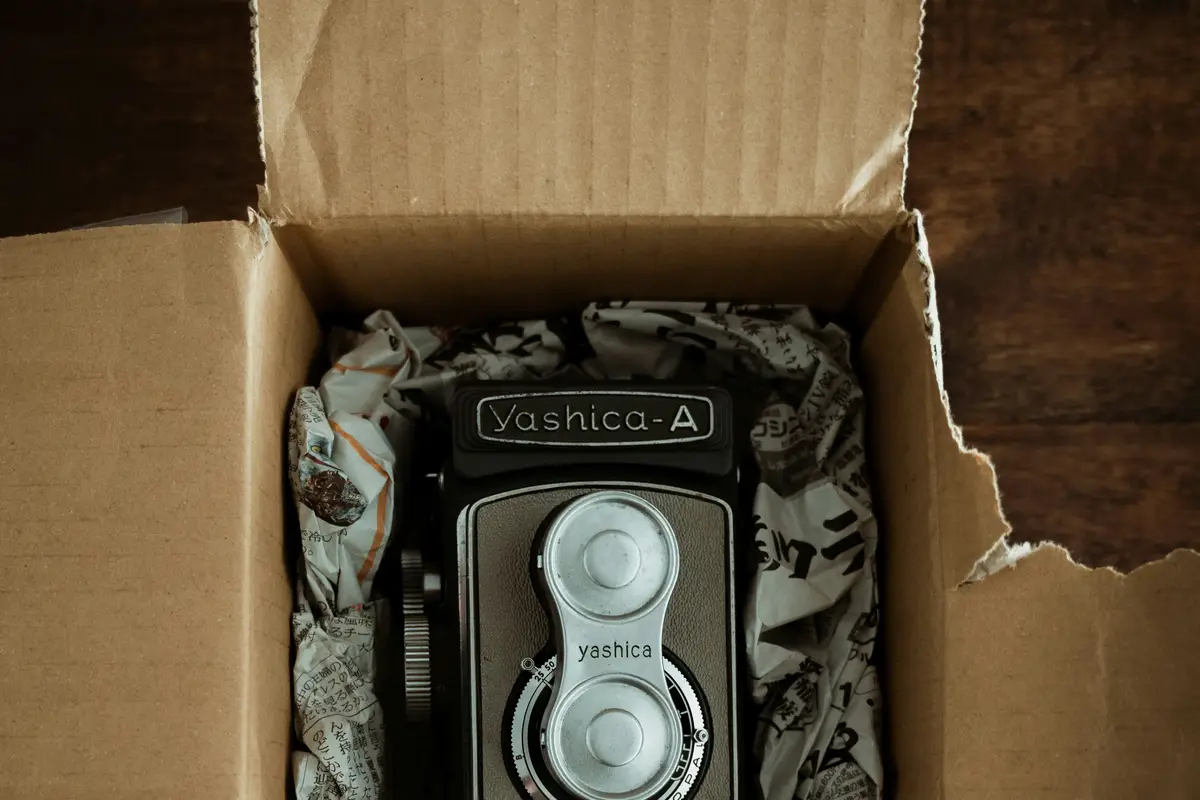
Sending text without visual materials in 2024 is an indefensible mistake. Online portals need photos for every publication to attract readers' attention on Facebook or Google News. However, it is an equally bad idea to send 5 heavy attachments that clog a newsroom's inbox. A standard server in a small newsroom can reject emails over 10 MB. Cloud links with a photo pack in two formats: light for web and heavier for print, work best.
Photos should be authentic. Avoid stock graphics with smiling people from the USA, as this is visible from a mile away and lowers the news's credibility. If you're writing about a new machine in the plant, send a photo of it taken on your hall floor, even if it's not perfect. Journalists value truth. At Odra Media Link, we recommend a pack of 3-4 selected photographs with a width of 1200 pixels. That's enough for most internet publications. Remember to add captions and copyright info.
The rule is simple: make work easier for others. A journalist who gets ready-made text and matching photos with publication rights has 79% of the work done. Such material will be published much more willingly than a dry Word document. Last quarter, we helped a logistics client prepare 7 such media packs. The result? 23 publications in industry media without spending a single zloty on ads. All thanks to respecting the editors' time and technical resources.
A stock photo is a signal to the newsroom that you have nothing interesting to show.
Ignoring the Specifics of Local Media
Sending the same message to Gazeta Wyborcza, a local neighborhood portal, and a national news agency is a strategic mistake. Each of these media looks for something different. Local portals in Poznań want to know how your company affects the lives of Łazarz or Wilda residents. Industry media are interested in technical parameters and financial results. Mass mailing (so-called 'spray and pray') makes your emails flagged as SPAM by server filters after 3 such attempts.
Before you click 'send', check who covers your topic in a given newsroom. Personalization is not adding 'Dear Mr. Editor' at the beginning. It's matching the angle of the topic to the medium's profile. If you're directing text to economic media, focus on ROI and 14% job growth. If you're writing to lifestyle media, highlight the social aspect. At Odra Media Link, we divide media databases into small groups of 12-15 contacts, which increases reach effectiveness by nearly 30%.
We act locally, so we know that relationships are built over years. A journalist from Poznań will reply to an email faster if they know that the company actually operates here and pays taxes. In December 2023, one of our clients obtained a mention on the radio only because the message referred to a specific event on the Jeżycki market. These are details that build authority. News doesn't wait, but well-addressed stories always find their place on air or on a portal.
Text Formatting and PDF File Errors
Many companies send press releases in PDF format, which is a huge obstacle for a journalist. Quotes are hard to copy from a PDF, and formatting often breaks when pasting into CMS systems. Always send text in a .docx file or directly in the email body. Let the editor work on your material without fighting technology. Use simple fonts and avoid tables that cannot be easily transferred to a website. This is pure practice that separates amateurs from professionals.
The text structure should be clear. Use short paragraphs – maximum 4 sentences per block. Journalists scan texts, looking for keywords and numbers. If they see a wall of text without subheadings, they'll find it too hard for quick processing. At Odra Media Link, we apply the 'one paragraph, one thought' rule. This makes our messages readable even on a smartphone screen in bright sunlight. Simple rules always give a better effect than complicated forms.
At the end of every message, include a short 'About Company' note – a so-called boilerplate. This is the only place where you can write that the company has been operating for 8 years and is based in Poznań. This should take no more than 50 words. Below this, add a link to the press office where a vector logo can be downloaded. In October 2024, we helped a small print shop organize their communication this way. The time needed to prepare one publication in local media was cut from 4 days to 1.5 days.